Restaurant POS System Kenya: The Complete Guide for Modern Restaurants (2026)
Admin User
Author
Running a restaurant in Kenya today is harder than ever.
Between managing stock, tracking daily sales, handling endless M-Pesa payments, and staying fully compliant with KRA eTIMS, things can quickly get overwhelming. When your attention is split between the kitchen, the floor, and the books, mistakes happen—and those mistakes cost money.
That’s exactly where a dedicated restaurant POS system in Kenya comes in.
In this comprehensive guide, you’ll learn:
-
What a restaurant POS system actually is.
-
Why it is essential for survival and growth in the Kenyan market.
-
The exact key features you need to look for.
-
Realistic pricing expectations for 2026.
-
How to choose the best POS for your specific restaurant.
What is a Restaurant POS System?
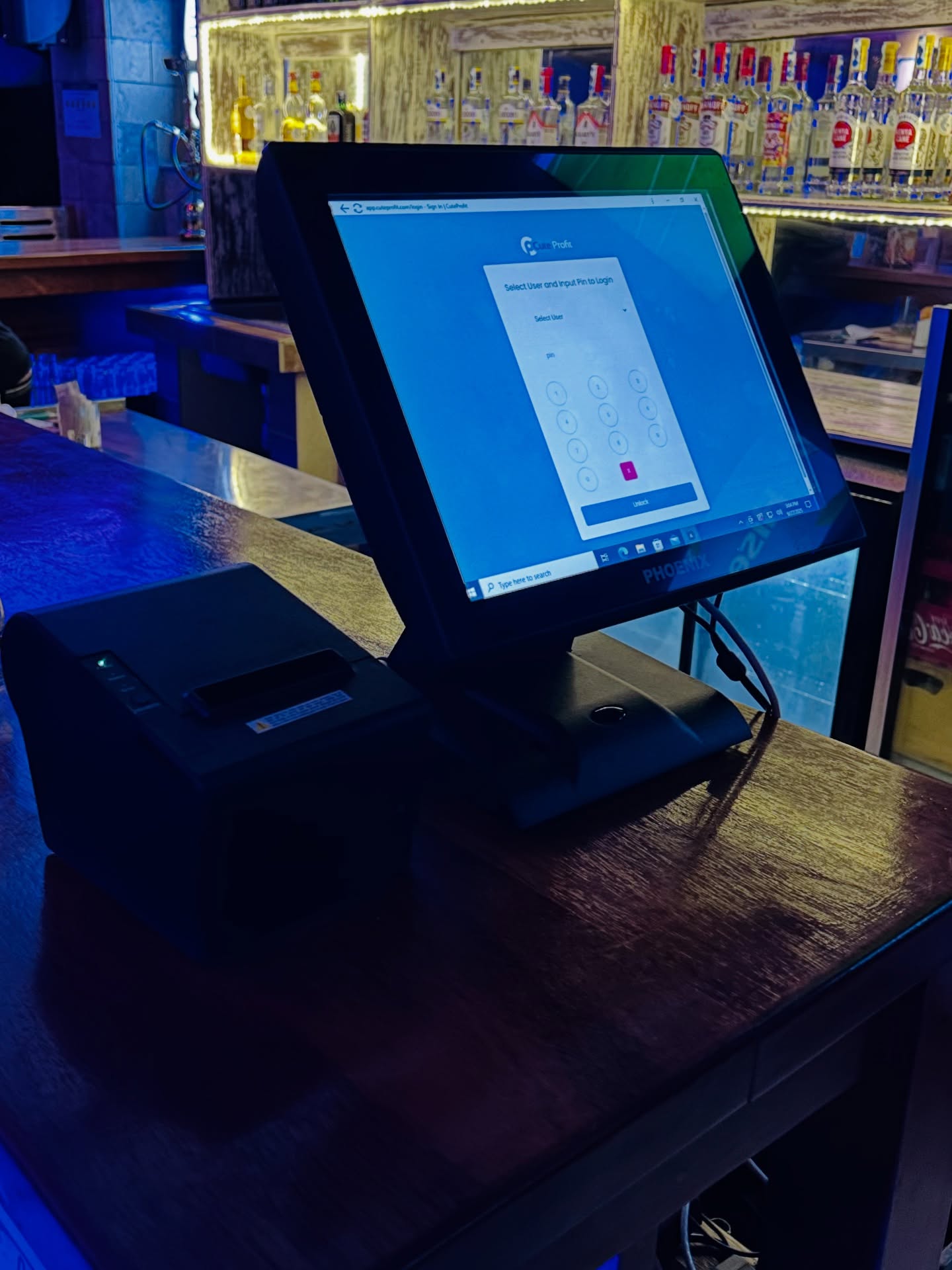
A Restaurant POS (Point of Sale) system is a combination of software and hardware that helps you manage your entire operation from one central dashboard. Think of it as the digital brain of your restaurant.
Instead of relying on scattered notebooks, basic calculators, or messy Excel sheets, a POS system empowers you to:
-
Record sales instantly
-
Track inventory down to the ingredient
-
Manage staff and shifts
-
Accept all payments (cash, card, M-Pesa)
-
Generate accurate, real-time business reports
Why Every Restaurant in Kenya Needs a POS System
If you are still using manual methods to run your establishment, you are likely leaking revenue without even realizing it. Here is why modern Kenyan restaurants are rapidly switching to smart POS systems:
1. M-Pesa Integration
Your customers expect to pay via mobile money. However, manually verifying M-Pesa messages is slow and leaves you vulnerable to fake message scams. A good POS:
-
Automatically detects and records M-Pesa transactions directly from your Till or Paybill.
-
Matches the exact payment to the correct table or order.
-
Eliminates fraud, human error, and end-of-day reconciliation headaches.
2. KRA eTIMS Compliance
With the Kenya Revenue Authority strictly enforcing electronic tax invoicing, manual receipting is no longer an option. A compliant POS system:
-
Ensures 100% legal compliance automatically.
-
Generates valid, eTIMS-ready receipts at the push of a button.
-
Drastically reduces your tax-related administrative stress.
3. Precision Stock Control
In the hospitality industry, food cost is everything. If you don't track your stock, you don't control your profits. A POS system allows you to:
-
Track raw ingredient usage (e.g., deducting 250g of flour for every pizza sold).
-
Reduce internal theft and minimize food wastage.
-
Know exactly what ingredients are running out in real-time so you can reorder promptly.
4. Faster, Better Service
Speed equals table turnover, and table turnover equals profit. A digital system helps your team:
-
Take orders quickly and accurately on tablets or fixed terminals.
-
Send orders directly to the kitchen display or printer instantly.
-
Eliminate misunderstandings caused by messy handwriting or forgotten requests.
Key Features to Look for in a Restaurant POS System in Kenya
Not all software is built equally, and many foreign systems completely lack the local integrations required to run a business in Kenya smoothly. Here is what you must prioritize:
-
✅ 1. M-Pesa Automation: Your POS must be able to auto-detect payments, match transactions to specific sales, and generate clean daily reconciliation reports.
-
✅ 2. eTIMS Integration: Make sure your system is KRA-compliant by default, generates valid tax invoices natively, and syncs automatically with the revenue authority.
-
✅ 3. Advanced Inventory Management: Look for ingredient-level tracking, automated low-stock alerts, and integrated purchase and supplier tracking.
-
✅ 4. Multi-Device Support: The software should be flexible—working seamlessly on smartphones, tablets, or computers, and backed by the cloud for remote access anywhere.
-
✅ 5. Reporting & Analytics: You need instant access to daily sales reports, profit margin breakdowns, and data on your best (and worst) selling menu items.
How Much Does a Restaurant POS System Cost in Kenya?
Pricing generally varies depending on the scale of your operations and the features you activate. Here is what you can expect to pay for a modern, cloud-based POS system in 2026:
| System Type | Target Business Size | Monthly Cost (KES) |
| Basic POS | Small food stalls, single-till setups | 2,000 – 5,000 |
| Mid-range | Standard restaurants (M-Pesa + Inventory) | 5,000 – 15,000 |
| Advanced | Multi-branch franchises (Deep Analytics) | 15,000+ |
💡 Pro Tip: Don’t just go for the cheapest option. The revenue lost to theft, missing stock, or M-Pesa fraud in a single weekend often costs far more than a premium software subscription.
Best Restaurant POS System in Kenya
When choosing your software, you need a platform that speaks the local business language.
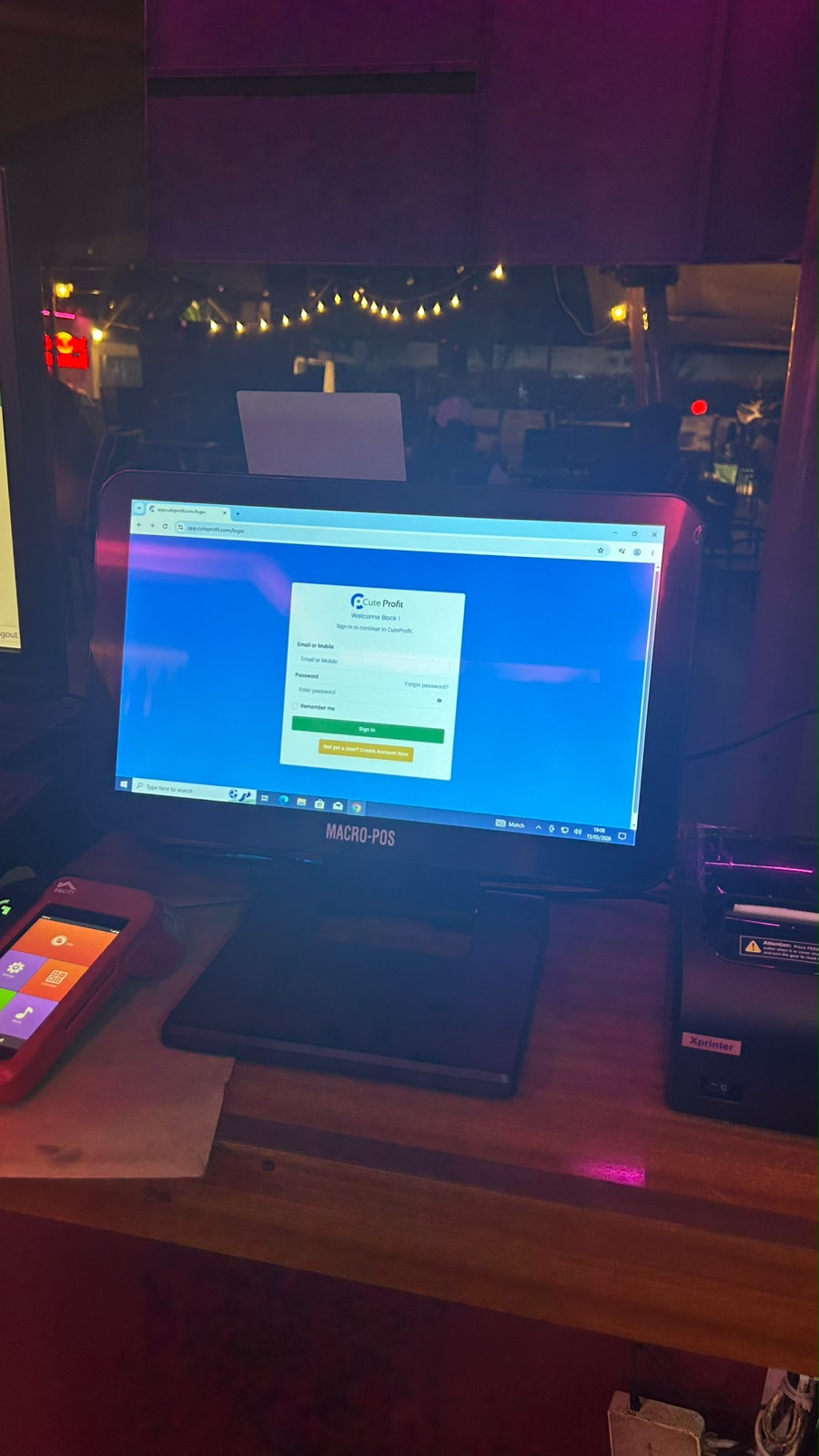
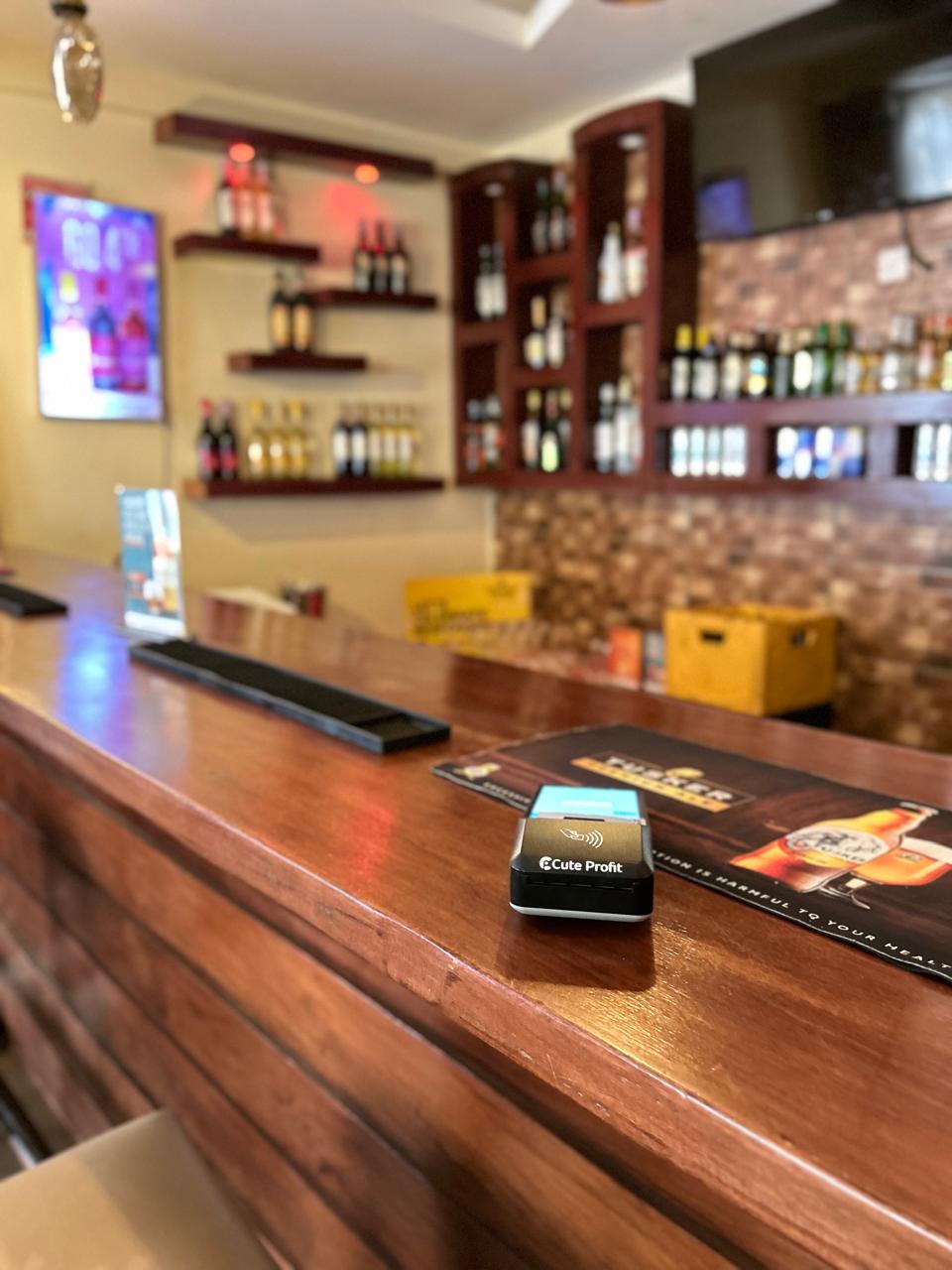
👉 Cute Profit POS is widely regarded as the best solution for the local market.
-
Best for: Restaurants, cafés, bars, and fast-growing hospitality businesses.
-
Key Advantages:
-
Flawless M-Pesa automation and automatic reconciliation.
-
Full KRA eTIMS compliance out of the box.
-
Real-time stock and ingredient tracking.
-
Incredibly easy-to-use interface for fast staff onboarding.
-
Secure, cloud-based access so you can monitor your restaurant from home or on the go.
-
Because Cute Profit is explicitly designed for the Kenyan biashara, there is no complicated setup, it adapts to how you already operate, and it is guaranteed to save you hours of manual work daily.
How to Choose the Right POS for Your Restaurant
Before making your final decision, run through this quick checklist. Ask the software provider:
-
Does it support M-Pesa fully and automatically?
-
Is it natively KRA eTIMS compliant?
-
Can it track stock down to the ingredient level?
-
Is the interface simple enough for new waiters to learn in 10 minutes?
-
Do they offer fast, reliable local support in Kenya?
If the answer is no to any of these questions—keep looking.
Common Mistakes to Avoid
-
❌ Choosing a POS without direct M-Pesa integration: You will spend hours manually matching receipts to till numbers.
-
❌ Ignoring eTIMS compliance: This will lead to heavy KRA penalties and operational shutdowns.
-
❌ Buying foreign systems: International software often lacks local payment gateways and tax rule integrations.
-
❌ Skipping staff training: The best system in the world is useless if your team doesn't know how to use it properly.
Final Thoughts
A restaurant POS system in Kenya is no longer just a "nice-to-have" luxury—it is an absolute operational necessity.
The right digital system will save you money, drastically improve your service efficiency, and give you full, unwavering control over your business metrics. If you are serious about growing your restaurant and protecting your margins, investing in a robust POS is one of the smartest decisions you will ever make.
Ready to Upgrade Your Restaurant?
If you are looking for a restaurant POS system in Kenya and want a POS system built specifically to solve the challenges of the Kenyan hospitality industry:
👉 Track every single sale automatically.
👉 Eliminate M-Pesa fraud and reconciliation stress.
👉 Stay 100% compliant with KRA eTIMS.
Ready to stop the chaos?
Track your inventory, stop employee theft, and automate your accounting with Cute Profit.
Get Started Today